


Jharsuguda, Odisha, March 28, 2026:Vedanta Aluminium, India’s largest aluminium producer, is driving inclusive growth beyond its core operations through focused community development initiatives in Jharsuguda. Driven by astrong commitment to sustainable and equitable progress, the company is investing in long-term programs that are strengthening rural economies, promotingenvironmental stewardship, and improvingthe quality of life among rural communities.
One such initiative, the VedGram project, is designed to enhance farm productivity, diversify income sources, and promote sustainable agricultural practices across villages in the vicinity of the company’s Jharsuguda operations, includingBanjari, Siriapali, Pramanpur, Katikela, Patrapali, Badmal, Bhurkamunda, Dalki, Bhagipali and Pandripatthar.
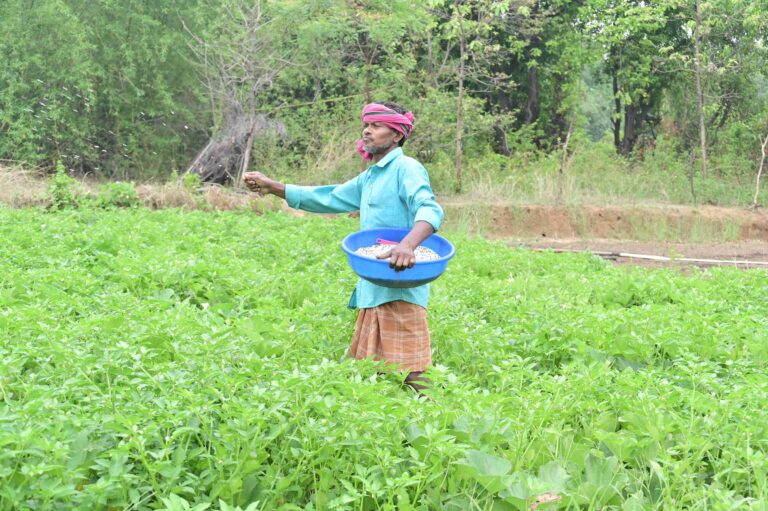
In these regions, where agriculture remains the primary source of livelihood, the project is enabling farmers to shift from subsistence-based practices to more resilient and income-generating models through a series of integrated interventions spanning agriculture, livestock, and allied activities.
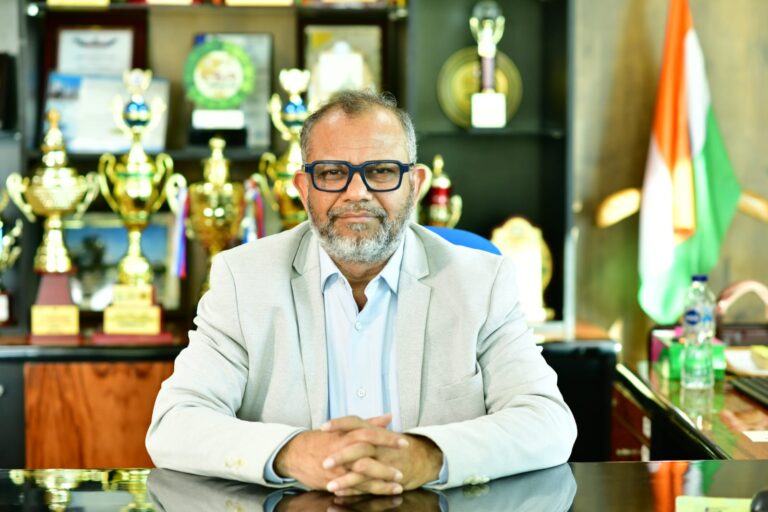
Highlighting the impact of the program, C Chandru, CEO – Vedanta Jharsuguda said, “Our focus is to create measurable and lasting impact in the communities we operate in. Through VedGram, we are strengthening the entire rural value chain, from soil to market, ensuring farmers have the tools and knowledge to achieve stable and higher incomes.”
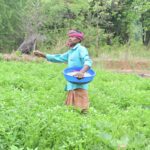
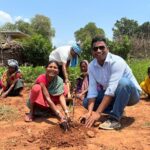
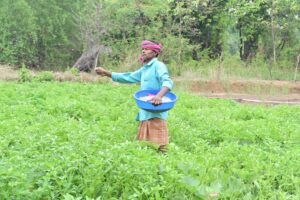
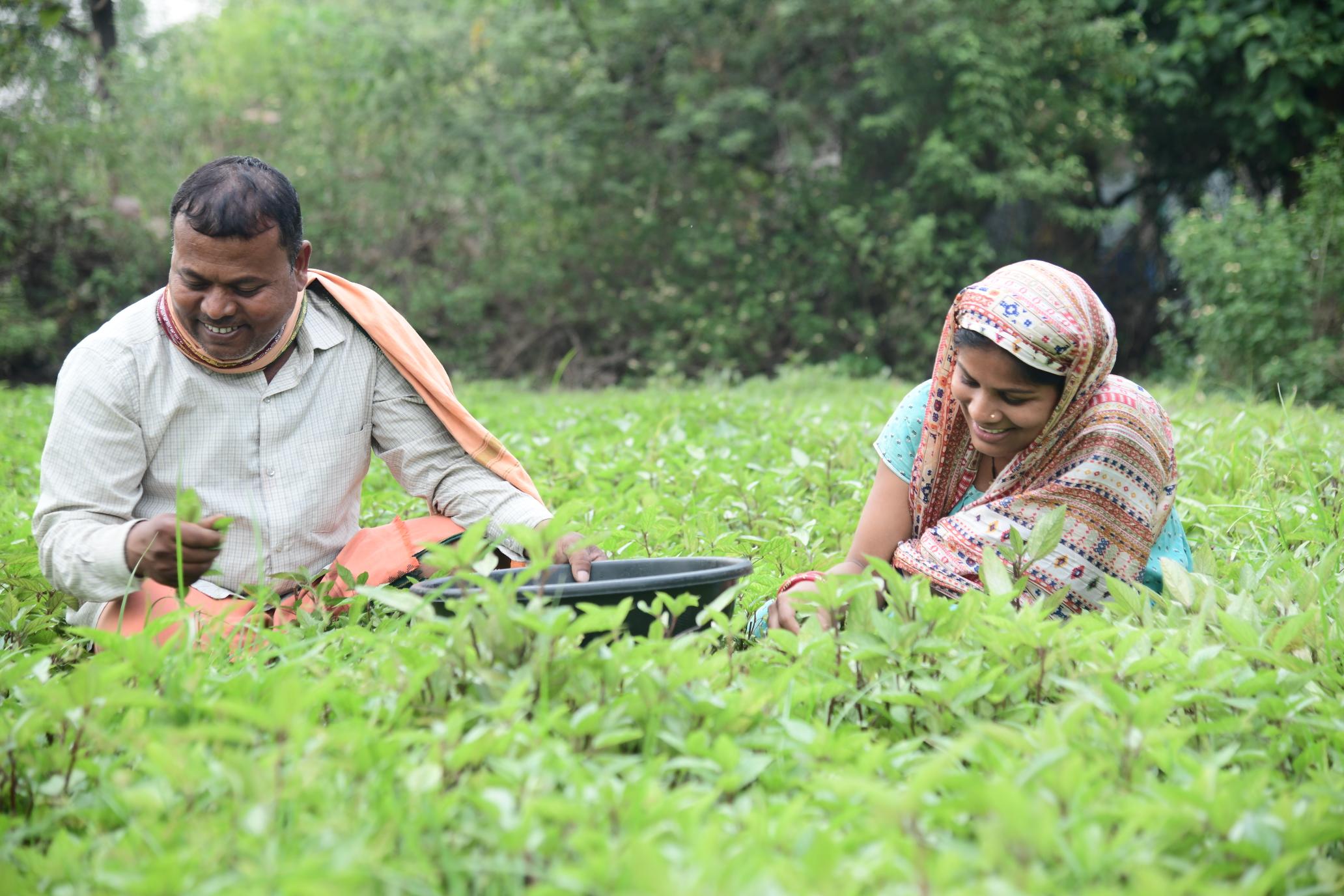
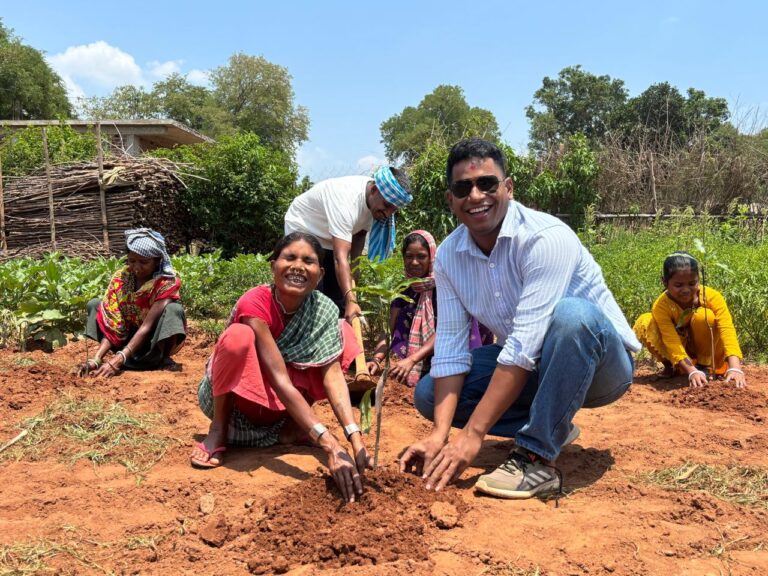
At the core of the VedGram initiative is theWadiprogramme, under which 50 farmers have adopted orchard-based farming models. This intervention has transformed 25 acres of previously barren land into productive agro-horticulture assets. With practices such as integrated agroforestry and intercropping, farmers are able to buildstable income streams, with projected annual income increases of up to ₹35,000 per household.
Loknath Pradhan, a farmer from Patrapali shared, “Earlier, we depended on one crop and uncertain income sources. Now we grow multiple crops and fruits together. Our earnings are steady and we can plan ahead.”Dhiren Rohidash, a beneficiary from Dalkiadded, “Earlier, we had to look for work outside the village. Now we earn from our own land and are able to stay with our families.”
To further strengthen agricultural outcomes, 300 farmers have adopted Integrated Pest and Nutrient Managementpractices. These methods have reduced input costs, improved soil health, and increased crop yields. In parallel, 150 farmers transitioned to high-value and diversified crops, reducing dependency on single-crop farming andimproving income stability.
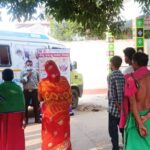
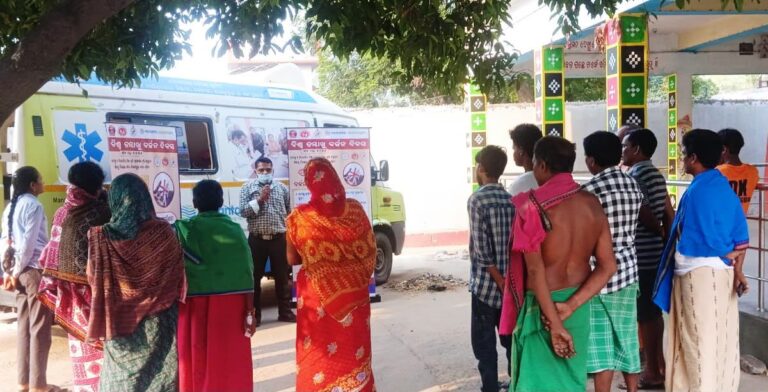
Diverse livestock wellbeing initiatives have also been undertaken under the VedGram project. Over 200 artificial inseminations have been administered,enhancinglivestock quality and milk productivity, while animal health camps have benefited 131 animals. In addition, 45 farmers received training in scientific livestock management, improving their overall farm efficiency.
Beyond economic gains, the VedGram Project is contributing to environmental restoration. The agro-horticulture model improves soil fertility, enhances moisture retention, and promotes biodiversity. These interventions have alsohelped reduce human migration and reliance on wage labor by creating stable, asset-based livelihoods within villages. Through VedGram, Vedanta Aluminium is fostering a scalable model of rural development that integrates economic empowerment with environmental sustainability, enabling long-term growth and self-reliance across communities.


+ There are no comments
Add yours