




Bhubaneswar: In the remote belts of Odisha, evening arrives abruptly.As daylight fades, activity begins to wind down, not out of routine, but necessity. Children put away their books earlier than they would like. Women rush to complete daily chores. Roads fade into long, unlit stretches that are difficult, and often unsafe to navigate.
Electricity exists, but not always when it is needed. Supply is inconsistent; outages are frequent, and in scattered habitations, access itself remains uneven. What appears as coverage on paper often translates into uncertainty in practice.
If electricity shapes the evening, water determines the day.
Across the region, access to drinking water remains a persistent challenge. During peak summer months, sources often run dry, and for many households, water still comes from a distance. Multiple tripsand unpredictable supply continue to define daily life.
The burden falls most heavily on women. Water collection is not a one-time chore but a repeated task, physically demanding, time-consuming, and often limiting what else can be done in a day.This is where energy and water begin to intersect.
When Power Becomes Access
Where electricity is unreliable, even basic systems struggle. Water infrastructure depends on power. Pumps fail during outages, and supply becomes erratic. What exists does not always work.
That is what makes decentralized solutions essential in regions like these.
Solar energy, in this context, becomesabout reliability. It works where the grid falters and delivers at the point where it is needed.
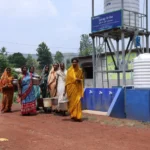
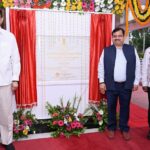
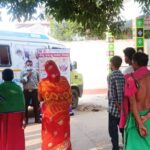
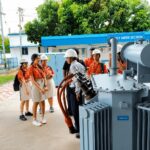
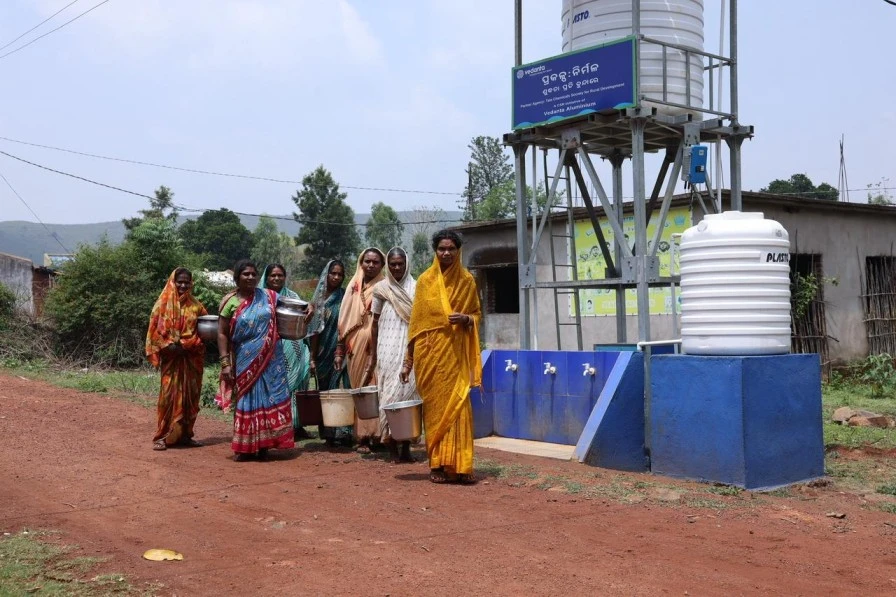
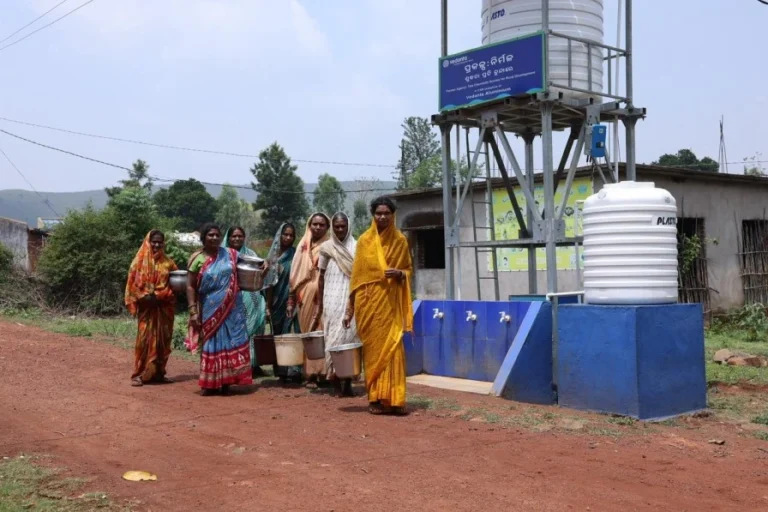
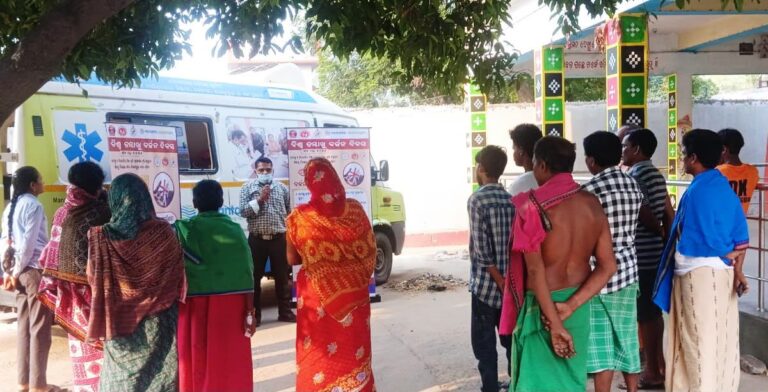
AcrossKalahandi, Rayagada, Sundergarh, Jharsuguda, and Koraput, Vedanta Aluminium has implemented decentralized solar interventions, installing over 700 solar-powered streetlights and more than 25 solar-powered borewells, together benefiting over 20,000 peopleby improving access to both reliable lighting and safe drinking water in remote habitations.
These interventions reflect a broader shift in how the company approaches sustainability, embedding clean energy within its operations and extending the same principles to surrounding communities.In regions where conventional infrastructure struggles, this ensures solutions that are not just available, but dependable.
These are not large systems. They are local, visible fixes, lighting streets and public spaces, and ensuring water access without dependence on unstable power supply.
Shri Gunasingh Majhi, Sarpanch of Sunger Gram Panchayat, Rayagada district, said, “For years, our villages struggled with safe drinking water and basic lighting. Women had to walk long distances, and after sunset, movement became unsafe. Today, with solar borewells and streetlights, daily life has changed. Water is available closer to our homes, and the streets remain lit at night. It has improved safety and brought real relief to our community.”
Lighting doesn’t just illuminate,it changes how spaces are used. It extends the usable day and restores a basic sense of security.
Water, Without the Distance
If lighting changes how people move, water access changes how they live.In villages where supply is uncertain, the day is structured around collection, early mornings, repeated trips, and physical strain. It is work that rarely gets counted, but defines the day, especially for women.Solar-powered borewells change that equation at the source.By removing dependence on erratic electricity, they ensure consistent access to safe drinking water within the village itself. Not a distant well, not a seasonal source, but water that is available when needed.
For women, this shift is immediate, and deeply personal.
Pushpanjali Nath from Siriapali Villageexplains, “We used to walk far to get water, sometimes several times a day. It would take hours. Now the water is here. That effort is gone, and we can use that time for other work.”
Beyond time and distance, it is also about certainty, especially for children.
Another resident, adds, “Earlier, we were never sure if the water we brought was clean, and our children used to fallsickfrequently. Now, with water available here, it feels safer for them. That tension has reduced.”
The Changes That Stay
For children, the impact shows up in quieter ways, Nandini Bag, a student of KhairkuniAnchalik High School, Kudaloi Gram Panchayat, says, “I used to hurry back home before it got dark because the roads were dark and felt unsafe. Now with the lights, we can walk back without fear, and I can study at night also.”It is a small change, but one that reshapes both learning and confidence.
What This Really Changes
These are not large, sweeping transformations.They are smaller shifts, repeated every day, where effort reduces, access improves, and routines become less uncertain.
Vedanta Aluminium’s interventions across these regions reflect a sustained effort to address such gaps through clean energy and community-led infrastructure. By combining solar lighting and water access solutions, the company is contributing to long-term improvements in safety, health, and everyday quality of life, where development is measured by its reliability on the ground.



+ There are no comments
Add yours