

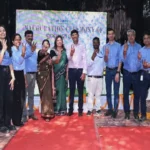


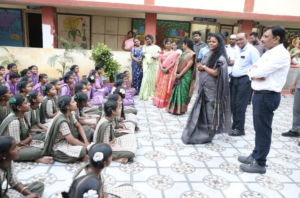
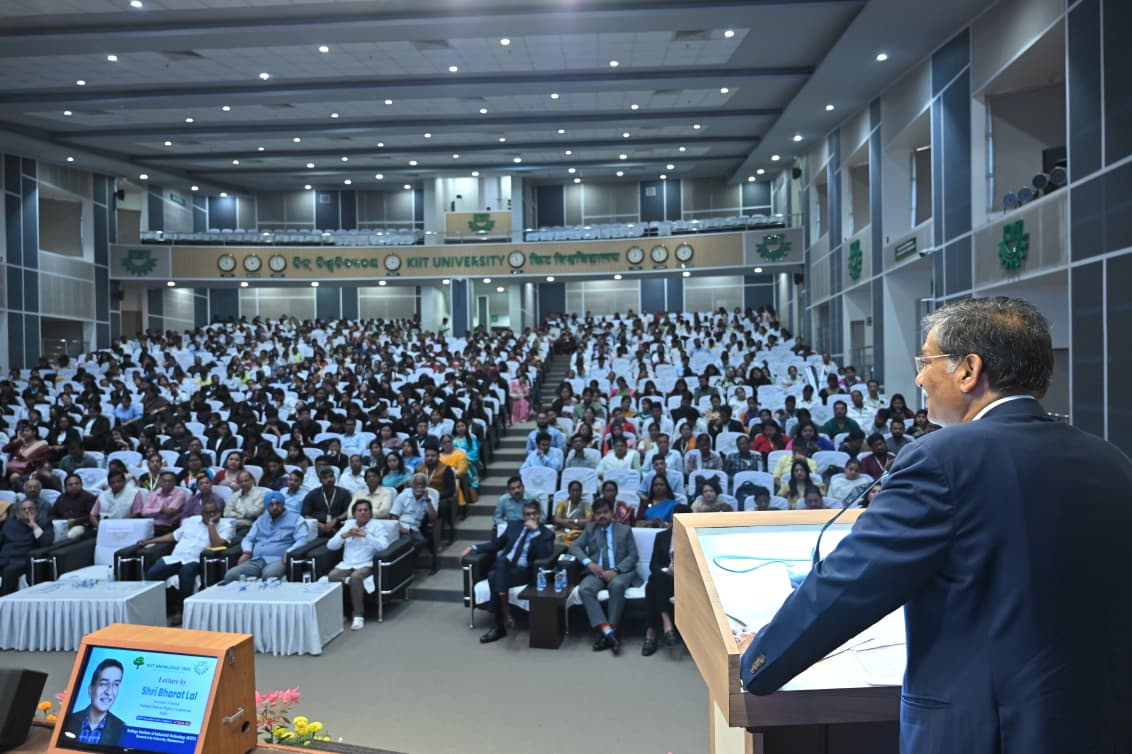
Bhubaneswar: March 14: Education is the most powerful tool for transforming lives and building a just and inclusive society, said Bharat Lal, Secretary General of the National Human Rights Commission, during his visit to KIIT and KISS on Saturday.
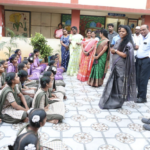
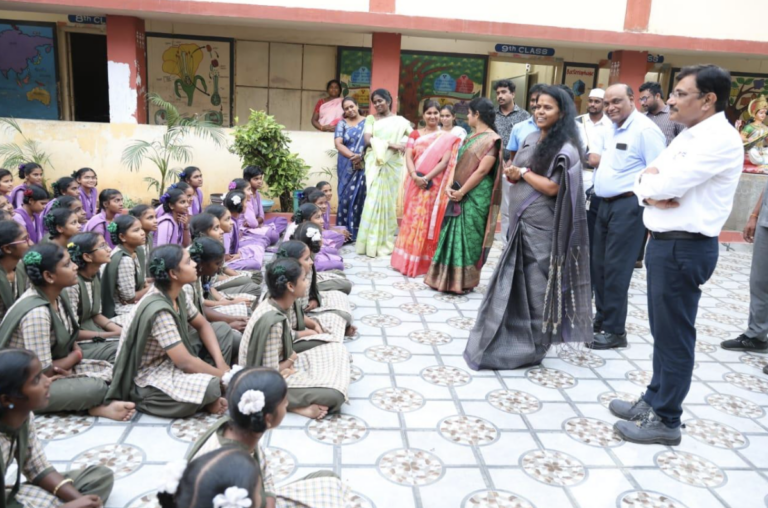
Addressing students at KISS, Lal said that education played a decisive role in shaping his own life and career. “If I have reached this position today, it is because of education. Without education, one cannot achieve much,” he said, urging students to make the best use of their time to gain knowledge and wisdom.
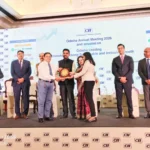
“I came here to learn something for KIIT and KISS. I compliment the Founder of these institutes Dr Achyuta Samanta, for this beautiful work. Education shapes the mind, culture, behaviour, and thinking and KISS is life transforming with its education”, he said.
Lal encouraged students to develop strong character and a spirit of helping others. According to him, human rights fundamentally revolve around removing social stigma and ensuring dignity and equality for every individual.
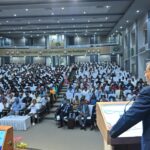
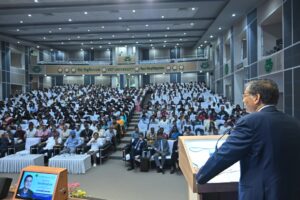
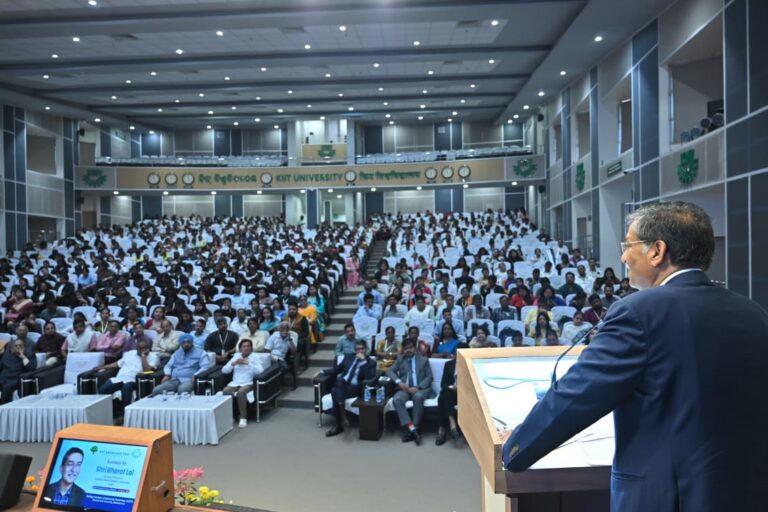
Later, while delivering a lecture under the KIIT Knowledge Tree series, Lal reiterated that education shapes a person’s culture, behaviour, and thinking.
“Empathy and compassion form the core of the entire framework of human rights. Protection of human rights is in our DNA,” he said.
He called upon the younger generation to become custodians of human rights and to uphold the values of equality and dignity for all.
Highlighting contemporary challenges, he pointed out that human rights and labour conditions are increasingly becoming central to global economic growth. “If businesses want to create wealth in the future, they must promote workers’ welfare and protect the environment,” he said, adding that improving living and working conditions is essential to avoid potential trade barriers in the global economy.
Lal also spoke about the importance of institutional mechanisms for safeguarding human rights in India. He noted that Article 32 of the Constitution of India guarantees access to justice, enabling citizens to seek remedies when their rights are violated. “Any person can approach the Human Rights Commission. In 2023–24 alone, the commission received more than 300 complaints every day,” he said.
Stressing the role of governance in protecting human rights, he said that good public service delivery and transparency are critical. Corruption and nepotism, he warned, undermine justice and weaken institutions.
The interaction was attended by Dr Samanta and other senior functionaries of KIIT, including the Vice Chancellor Prof Saranjit Singh, pro-Vice Chancellor Prof Raju K D, students, faculty members and others.


+ There are no comments
Add yours